

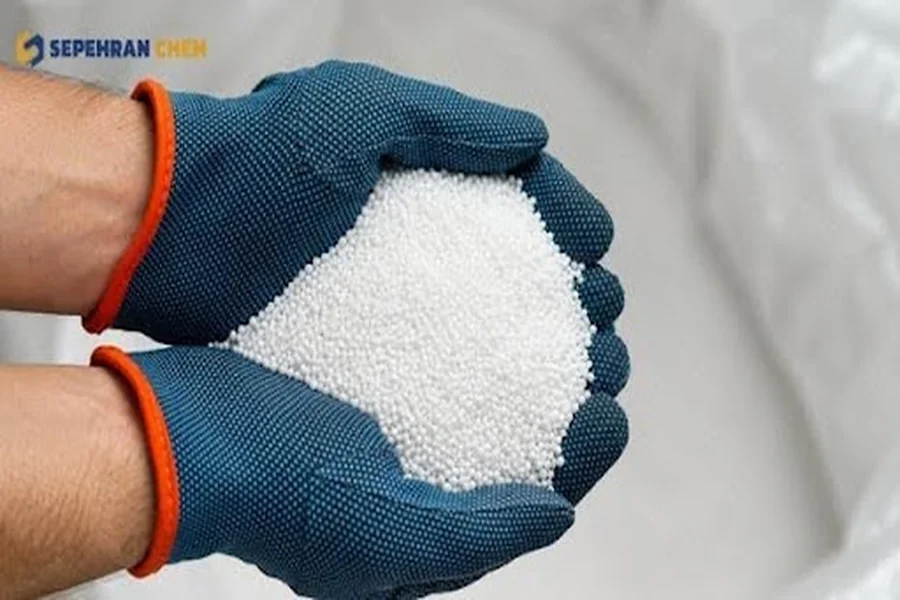
Fertilizer demand does not arrive evenly. It follows the plough. This month, as farmers in Pakistan prepare fields for winter wheat, the first wave of Rabi-season urea buying is already moving through the market. Six months from now, a second wave will follow the spring thaw across Central Asia. For anyone supplying nitrogen to these regions, the farming calendar explains more than any price chart can.
Pakistan: two seasons, two surges
Pakistan farms in two main cycles. Rabi crops, led by wheat, are sown from roughly October to December and harvested in spring. Wheat is the country’s largest crop by area, so the Rabi surge tends to dominate the year. Kharif crops, including cotton, rice, maize and sugarcane, are sown from about April to June, with much of the activity in Punjab and Sindh. Urea is the main nitrogen fertilizer in both cycles, applied around sowing and again as a top-dressing while the crop grows. That creates two demand peaks each year. The weeks before each are when distributors stock up, and orders begin to appear at ports and border crossings.
Central Asia: a shorter window
Further north, winters are harder and the growing window is shorter. Spring sowing of wheat, cotton and other crops generally begins as soils thaw, between March and May depending on the country and altitude, while winter cereals are sown in autumn. Kazakhstan’s spring wheat, and cotton and wheat in Uzbekistan and Turkmenistan, all follow this rhythm, with top-dressing within weeks of sowing. Nitrogen therefore has to be in the country, and close to the farms, before the window opens. The buying that matters happens in the preceding winter, just when overland routes can be at their slowest.
Demand is predictable; delivery is not
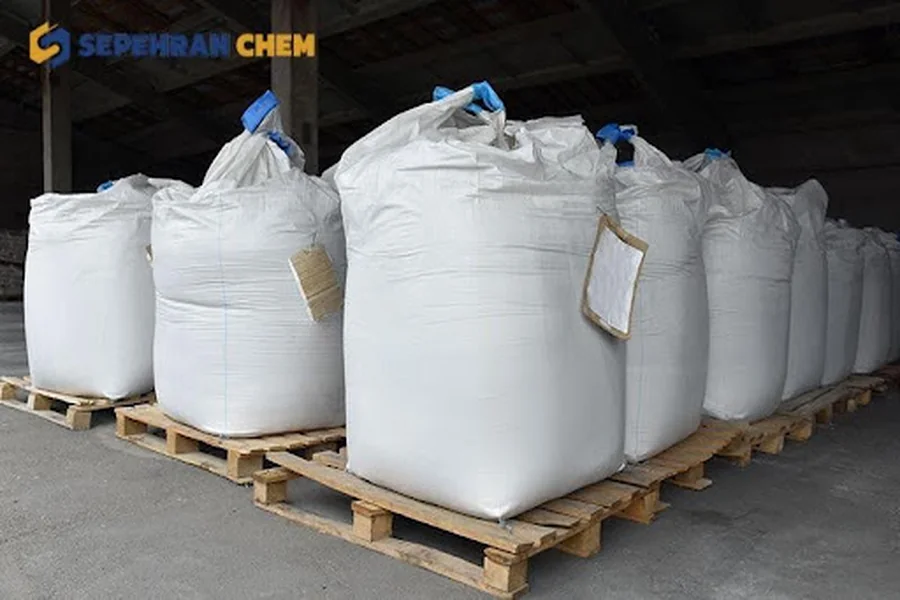
Orders cluster ahead of sowing, and fertilizer that arrives after field work has begun loses much of its value to the farmer. For suppliers, the working season for a spring shipment starts months before the crop calendar shows any activity. Shipments are organized around the season, not around the date an order was placed. Industrial and fertilizer-grade urea also serve different customers, so the farm calendar shapes only part of the overall flow.
What the records should show
Two sets of records show this from opposite ends. Official crop calendars, such as those published by national agriculture ministries and the FAO, show when farmers need nitrogen. Monthly customs and transit figures show when it actually crosses the border. Set side by side, they reveal whether seasonality is real in a given market, and how far ahead of the season the cargoes move. Reading both is more reliable than assuming a pattern.
Thinking in seasons
The farming calendar is the one schedule nobody in the supply chain can change. It explains why urea inquiries rise and fall in waves, and why the same shipment can be urgent in one month and idle in the next. You can get some details about this product and its packaging, including prilled urea price for export, at Sepehran Chem. Also, bulk quantities are available to international buyers. Sepehran Chemistry also works as a petrochemical supplier alongside its markets in the Middle East and South Asia.
