

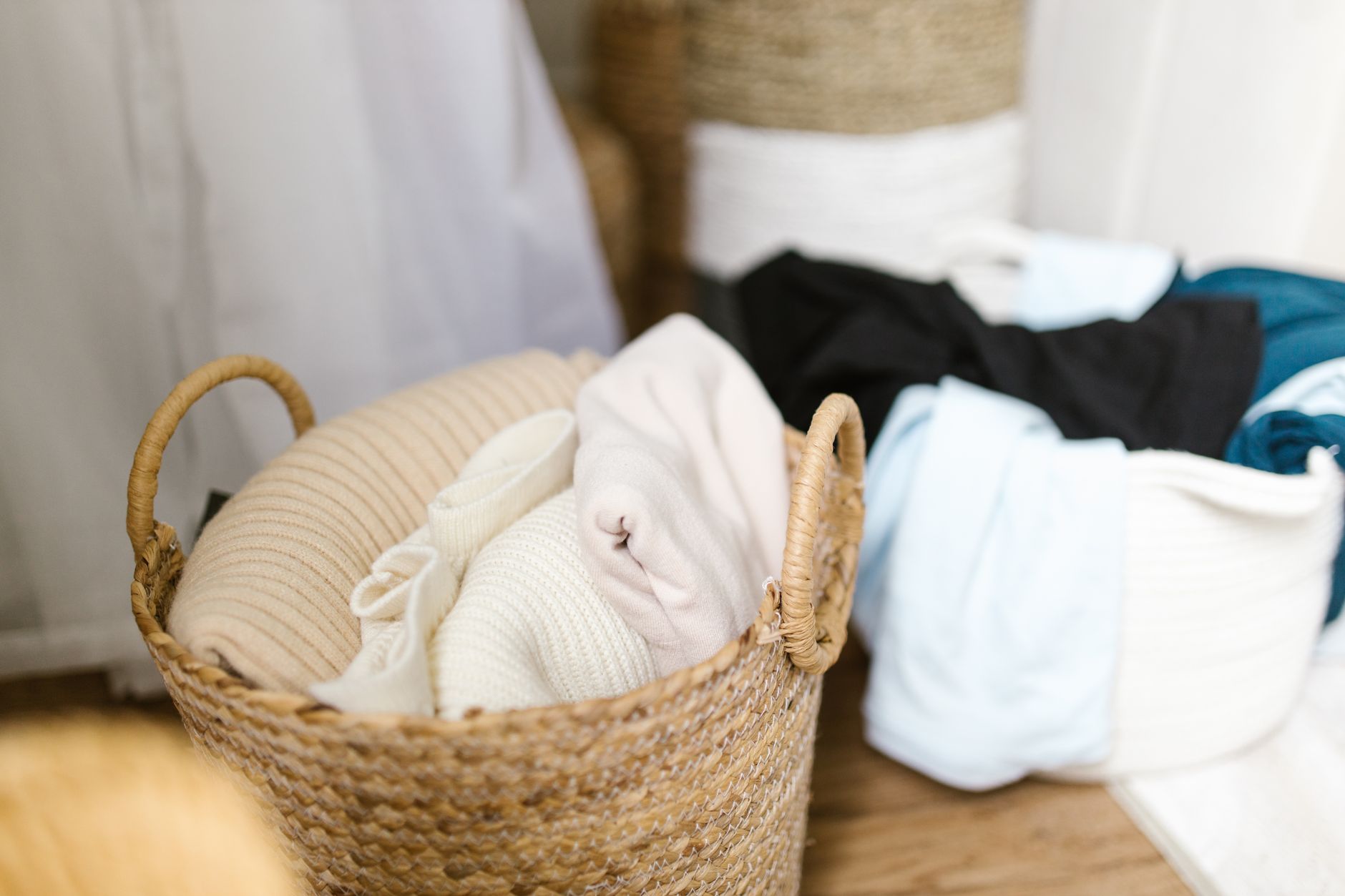
Keeping a wardrobe organized can be challenging, especially when you have limited storage space or a growing collection of clothes. From everyday outfits and seasonal wear to sarees, accessories, and bedsheets, finding a proper place for everything can make a big difference. Cloth organizers offer a simple way to arrange your belongings, reduce clutter, and make better use of the available space.
Whether you have a large wardrobe or a compact closet, the right organizers can help you maintain a neat and functional storage area.
1. Use Fabric Storage Boxes for Everyday Clothes
Fabric storage boxes are useful for organizing folded clothes such as T-shirts, leggings, nightwear, and casual wear. They can be placed inside wardrobe shelves or drawers to keep different categories of clothing separate.
Choose boxes with sturdy sides so they hold their shape when filled. Foldable options are especially practical because they can be collapsed when not in use. If your wardrobe has open shelves, coordinated storage boxes can also create a cleaner, more uniform appearance.
2. Organize Innerwear and Socks Separately
Small clothing items can easily get mixed up inside drawers. Drawer organizers with multiple compartments help keep socks, innerwear, handkerchiefs, and other essentials sorted.
You can assign one compartment to each category, making it easier to find what you need without searching through the entire drawer. These organizers are particularly useful for families where several people share wardrobe space.
Before choosing an organizer, measure the drawer to ensure that it fits properly and leaves enough room to open and close it comfortably.
3. Choose Saree and Ethnic Wear Organizers
Sarees, dupattas, and other ethnic garments often require careful storage to keep them in good condition. Fabric storage bags or dedicated wardrobe organizers can help protect them from dust and keep them separate from everyday clothes.
For delicate fabrics, avoid overcrowding the storage space and follow the garment's care instructions. Sarees with heavy embroidery or embellishments may need additional care when folding and stacking.
Transparent panels or labels can also help you identify stored garments without opening every bag.
4. Make Seasonal Clothing Storage Easier
Winter jackets, sweaters, blankets, and other seasonal items can take up considerable wardrobe space when they are not being used. Storage bags and larger fabric organizers help keep these items together until the next season.
Before storing clothes for a long period, wash and dry them thoroughly according to their care labels. Keep them in a clean, dry place and avoid packing them too tightly.
Vacuum storage bags may be suitable for certain bulky items, but check the fabric care instructions before using them, particularly for delicate or structured garments.
5. Use Hanging Organizers for Extra Storage
Hanging cloth organizers are a practical option when your wardrobe has a hanging rod but limited shelves. They usually come with multiple compartments that can hold folded T-shirts, trousers, scarves, bags, or other lightweight items.
These organizers make use of vertical space and can be helpful in rented homes, hostels, and compact bedrooms. You can also use separate compartments for office wear, casual clothes, and accessories to keep your wardrobe organized according to your routine.
Choose a hanging organizer with strong stitching and a sturdy hanging loop, especially if you plan to store heavier items.
6. Keep Bedsheets and Towels in Dedicated Organizers
Bedsheets, pillow covers, blankets, and towels can quickly occupy entire shelves if they are stacked without a system. Dedicated fabric organizers or storage boxes help keep these household essentials arranged by category.
You can store each bedsheet set together with its matching pillow covers so that everything is easy to find when changing the bedding. Similarly, separate towels by size or family member if that works better for your household.
Labelled boxes are particularly useful for storing extra linen that you do not use every day.
7. Choose Cloth Organizers Based on Your Needs
Before buying cloth organizers, assess your wardrobe and identify the areas that need improvement. Measure the available shelves, drawers, and hanging spaces to avoid choosing products that do not fit.
Consider breathable fabric for suitable clothing storage, sturdy construction for frequently used organizers, and foldable designs if you need flexibility. Neutral colours can give your wardrobe a coordinated look, while different colours or labels can help distinguish between categories.
Conclusion
Cloth organizers make wardrobe management simpler by giving every item a designated place. From drawer dividers and fabric storage boxes to hanging organizers and seasonal storage bags, there are solutions for different clothing types and room sizes.
The best approach is to start with the areas that create the most clutter, organize clothes by category, and choose storage options that fit your available space. With a little planning, you can keep your wardrobe tidy and make getting dressed every day much easier.
