

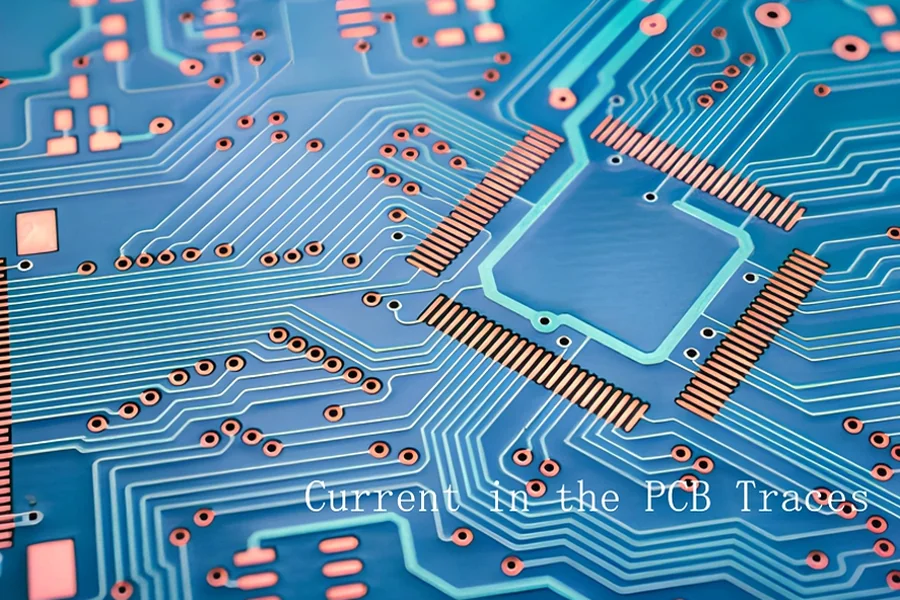
Wire bonding is one of the most critical processes in semiconductor packaging and microelectronics manufacturing. It involves creating electrical interconnections between an integrated circuit (IC) chip and the external leads of a package or a printed circuit board (PCB) using very fine wires. These connections enable the flow of signals and power between the silicon die and the rest of the electronic system, making wire bonding a vital step in device functionality and reliability.
This process is widely used in industries such as telecommunications, automotive, aerospace, and consumer electronics, where precision and performance are essential. Whether it’s a smartphone processor or a satellite communication module, wire bonding ensures that microscopic electrical pathways work flawlessly under demanding conditions.
The Wire Bonding Process
Wire bonding typically occurs after the die is attached to its substrate or package. The process requires high precision and is carried out in cleanroom environments using automated wire bonding machines. The bonding wires, often made from gold (Au), aluminum (Al), or copper (Cu), are just a few microns thick — thinner than a human hair.
The process involves three key stages:
-
First Bond (Ball Bonding or Wedge Bonding)
In ball bonding, a small ball is formed at the end of the wire using a combination of heat, pressure, and ultrasonic energy. This ball is bonded to the pad on the chip surface. In wedge bonding, the wire is pressed directly onto the pad using ultrasonic energy without forming a ball.
-
Wire Looping
Once the first bond is made, the bonding tool moves to the corresponding pad or lead frame, forming a controlled wire loop. This step determines the height, shape, and length of the connection, all of which are crucial for mechanical stability and electrical performance.
-
Second Bond
The wire is then bonded to the second connection point, typically on the lead frame or substrate. After this, the wire is broken off, and the process repeats for all remaining pads.
This sequence happens at extremely high speeds — modern equipment can perform tens of thousands of bonds per hour with submicron accuracy.
Types of Wire Bonding Techniques
Depending on the device type and operating environment, different wire bonding methods are used:
Ball Bonding
The most common technique, ball bonding, uses gold or copper wires and is ideal for high-speed, high-volume production. It requires elevated temperatures and precise control to ensure strong metallurgical bonds.
Wedge Bonding
Wedge bonding is typically performed with aluminum wire and is preferred for applications requiring low-temperature processing, such as power electronics and RF modules. It allows fine pitch bonding and is well-suited for hermetic packaging.
Ribbon Bonding
Ribbon bonding uses flat wires instead of round ones, providing greater current-carrying capacity and improved thermal performance. It’s often used in high-power semiconductor devices.
Advantages of Wire Bonding
Wire bonding remains a dominant interconnect technology due to several advantages:
- High Reliability: Proven technology with excellent long-term performance in harsh environments.
- Design Flexibility: Compatible with various chip and package types, including ceramic and organic substrates.
- Cost-Effective: More affordable than flip-chip assembly for small to medium production volumes.
- Scalability: Supports both low-volume prototyping and high-volume manufacturing.
- Material Variety: Can utilize gold, copper, or aluminum wires depending on cost and electrical requirements.
Applications of Wire Bonding
Wire bonding is used across multiple sectors that demand compact, high-performance electronics:
- Consumer Electronics: Smartphones, wearables, and laptops.
- Automotive Systems: Sensors, ECUs, and ADAS modules.
- Medical Devices: Pacemakers, diagnostic equipment, and implantable electronics.
- Aerospace and Defense: Radar systems, satellites, and avionics.
- Telecommunications: RF modules and signal amplifiers.
Each of these industries depends on the reliability and precision of wire bonding to maintain signal integrity and operational stability.
Materials Used in Wire Bonding
The choice of wire material greatly affects performance, reliability, and cost:
- Gold Wire (Au): Excellent conductivity and oxidation resistance; used in high-end applications.
- Copper Wire (Cu): Cost-effective with superior electrical and thermal properties but more prone to oxidation.
- Aluminum Wire (Al): Ideal for power and high-frequency applications; used extensively in wedge bonding.
Material selection depends on factors such as thermal expansion, bonding surface metallurgy, and desired electrical characteristics.
Quality Control and Reliability Testing
Since wire bonding involves microscopic connections, rigorous quality control is essential. Advanced inspection techniques such as X-ray imaging, pull testing, and bond shear testing ensure the strength and integrity of each bond. Automated optical inspection (AOI) systems detect misalignment, incomplete bonds, or contamination early in the process.
Moreover, environmental testing such as thermal cycling and humidity exposure ensures that bonded devices can withstand real-world conditions without failure.
The Future of Wire Bonding
Despite the rise of newer interconnect methods like flip-chip and wafer-level packaging, wire bonding continues to evolve. Modern innovations in fine-pitch bonding, high-frequency materials, and automation are extending its use into 5G, EV electronics, and IoT applications. With ongoing advancements, wire bonding remains a cost-effective and reliable interconnect solution for diverse electronic products.
Final Thoughts: Partner with a Trusted China One-Stop PCB Assembly Service
For companies seeking high-quality and affordable wire bonding solutions, working with a China one-stop PCB assembly service provider ensures seamless integration — from semiconductor interconnection to complete PCB assembly. These providers combine expertise in microelectronics packaging with large-scale production capabilities, ensuring precision, reliability, and cost efficiency. By partnering with a trusted one-stop PCB assembly service in China, you can achieve faster turnaround times, advanced bonding technology, and consistent quality across all your electronic manufacturing projects.
